Northern Ireland Animal Charities Warn Rescue System is Reaching Breaking Point
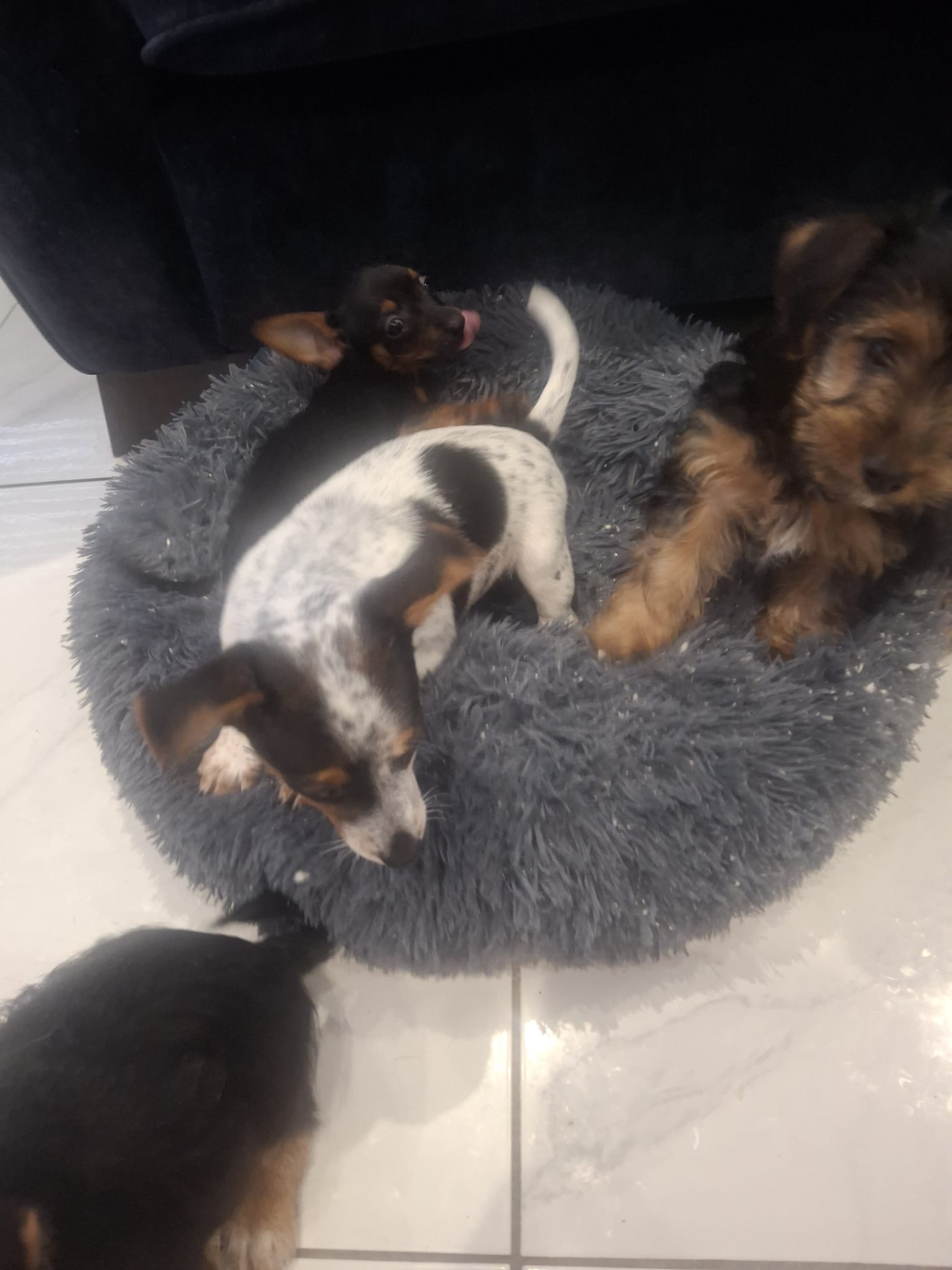
Causeway Coast Dog Rescue and North Coast Cat Rescue call for greater public reporting
Causeway Coast Dog Rescue and North Coast Cat Rescue call for greater public reporting, earlier intervention and stronger enforcement as charities face escalating numbers and veterinary costs
Two North Coast animal welfare charities are warning that local rescue organisations are becoming overwhelmed by the number of dogs, puppies, cats and kittens requiring help, as increasing veterinary costs and serious welfare cases place unprecedented pressure on already limited charitable resources.
The warning from ‘Causeway Coast Dog Rescue (CCDR)’ and ‘North Coast Cat Rescue (NCCR)’ comes against the backdrop of growing concern across the UK about pressure on animal rescue services, including recent reports highlighting the scale of large multi-animal cases and rescue centres struggling with capacity.
Both North Coast charities say Northern Ireland is experiencing its own serious companion-animal welfare pressures, with small charities and their volunteers increasingly being left to manage the financial and practical consequences of abandonment, uncontrolled breeding, neglect and cases which have been allowed to escalate.
Causeway Coast Dog Rescue is currently experiencing a sustained increase in requests to take dogs and puppies into its care. With available spaces extremely limited, the charity is increasingly dependent upon foster carers to create emergency capacity while continuing to meet significant veterinary, kennelling, food and welfare costs.
CCDR is therefore urgently appealing for suitable foster carers, particularly people who can provide temporary homes for dogs and puppies while permanent homes are identified.
The charity is also concerned about an increase in the complexity of welfare cases being presented to rescue organisations, including dogs requiring significant veterinary treatment before they can safely be rehomed.
Tara Cunningham, Manager and Animal Welfare Lobbyist at Causeway Coast Dog Rescue, said:
“We are reaching a point where the voluntary rescue sector simply cannot continue absorbing an ever-increasing animal welfare problem without addressing what is causing it.
“At Causeway Coast Dog Rescue we are receiving increasing numbers of requests to take unwanted dogs and puppies, while at the same time dealing with more complex welfare cases and substantial veterinary bills. When every available space is occupied, it effectively becomes one dog rehomed before another can come in.
“That is why foster carers have become so important. Every suitable foster home potentially creates another space for a dog that desperately needs our help.
“But rescue charities cannot be the answer to everything. We are at the end of the process. By the time an animal reaches us, the welfare problem has already happened and the financial responsibility for putting it right is very often transferred to a charity and its donors.
“We need to start intervening much earlier. That means responsible ownership and breeding, greater public reporting of welfare concerns, effective investigation and, where legislation has been breached, appropriate enforcement.”
The situation facing North Coast Cat Rescue is equally concerning.
The charity is currently dealing with more than 75 cats and kittens associated with one ongoing site where cats have been allowed to breed uncontrolled, which has already cost the local charity nearly three thousand pounds and continues to generate veterinary, neutering, feeding and welfare costs, which at a conservative estimate is only half the estimated total costs for this site.
The scale of the case demonstrates how quickly an unmanaged cat population can increase and the enormous burden which can ultimately fall upon a small voluntary charity when intervention does not happen early enough.
The charities believe the case should prompt wider consideration of how Northern Ireland responds when concerns about significant numbers of animals at a property or location begin to emerge.
They argue that earlier reporting by members of the public, access to neutering interventions, effective multi-agency working and appropriate use of existing animal welfare powers could help prevent some situations developing into large-scale welfare emergencies.
Alison Hagan of North Coast Cat Rescue said:“We are completely overwhelmed. One case alone has resulted in us dealing with more than 75 cats and kittens and has already cost our small charity thousands of pounds, and the case is still ongoing, and will likely be for many months.”
“Behind that number are individual animals; the feral cats require neutering and parasite treatment as a bare minimum, whilst the kittens we have been able to save so far have needed multiple veterinary visits, treatment, kitten food, parasite treatment, vaccinations, socialisation and, when eventually they are in suitable homes we will be covering their neutering costs in a few months time. That responsibility does not disappear simply because a rescue charity has run out of space or money, and unlike dogs there is no local council facility for stray or unowned cats.”
“What is particularly frustrating is seeing situations escalate when earlier action could potentially have prevented dozens of cats and kittens being born into an already unsustainable situation.”
“People also need to report concerns. If members of the community repeatedly see animals breeding uncontrolled, animals appearing sick or injured, or numbers increasing to a level which causes welfare concerns, please do not assume somebody else will deal with it. Report it to the appropriate authority.”
“Small charities like ours cannot continually be expected to pick up the pieces once a situation has reached crisis point.”
Charities call for prevention alongside rescue
CCDR and NCCR are calling for a more preventative approach to companion-animal welfare in Northern Ireland.
While charities will continue to rescue, rehabilitate and rehome animals wherever resources allow, they say charitable donations should not become a substitute for responsible ownership or effective statutory financial support and intervention.
The organisations are calling for:
* members of the public to report suspected animal neglect, cruelty and serious welfare concerns at the earliest opportunity to their local council;
* stronger awareness of where and how animal welfare concerns should be reported;
* timely investigation of reports and appropriate enforcement where offences are identified;
* earlier intervention where uncontrolled breeding or rapidly increasing animal numbers are creating potential welfare concerns;
* improved access to preventative measures, particularly neutering;
* stronger cooperation between councils, government, veterinary professionals, police and animal welfare charities;
* greater accountability and data collection to identify recurring animal welfare problems; and
* greater recognition of the financial burden currently being transferred to small independent rescue charities.
Tara Cunningham added: “This is not simply about finding more kennel or foster spaces. We have to reduce the number of animals entering the rescue system in the first place.
“When a charity receives an abused or neglected animal, the public quite rightly expect us to help. What they often do not see is the veterinary bill that follows, the escalating costs which can run into thousands of pounds for an individual animal, or the weeks and months of rehabilitation before that animal can be rehomed. What is also not accounted for is the long hours, evenings, weekends and holidays we as charities put into supporting our local communities and ensuring these animals are not euthanised.
“Those costs are ultimately being met by people putting donations into charity shops, attending fundraising events and donating online.
“We need to ask a much bigger question: why are two relatively small North Coast charities having to absorb the consequences and costs of situations which, with earlier reporting, intervention, responsible ownership and effective enforcement, might never have been allowed to reach this scale?”
“Northern Ireland needs to move from continually responding to animal welfare crises towards preventing them. Better reporting, earlier intervention and proportionate enforcement would protect animals, support responsible owners and reduce the extraordinary pressure currently being placed on rescue charities.”
Both organisations are also appealing to the public for practical support. Causeway Coast Dog Rescue and North Coast Cat Rescue both urgently needs support to meet the continuing costs associated with the dogs, pups, cats and kittens currently in their care.
The charities say fostering, adopting, neutering pets, reporting genuine welfare concerns and supporting reputable local rescue organisations are all practical ways in which the public can help relieve the current pressure. www.causewaycoastdogrescue.org

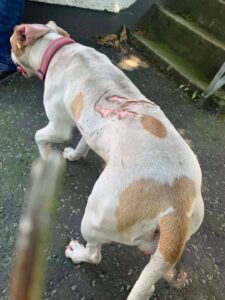
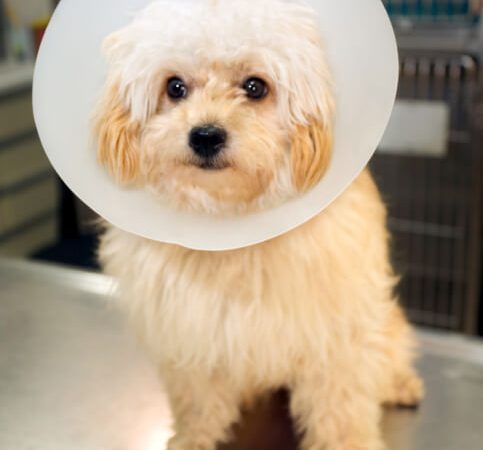
Pups abandoned and rescued for rehoming, and a beautiful dog previously used for ‘badger bating’ by owner.