Causeway Coast Dog Rescue Calls for Stronger Veterinary Involvement in NI Animal Welfare Reform
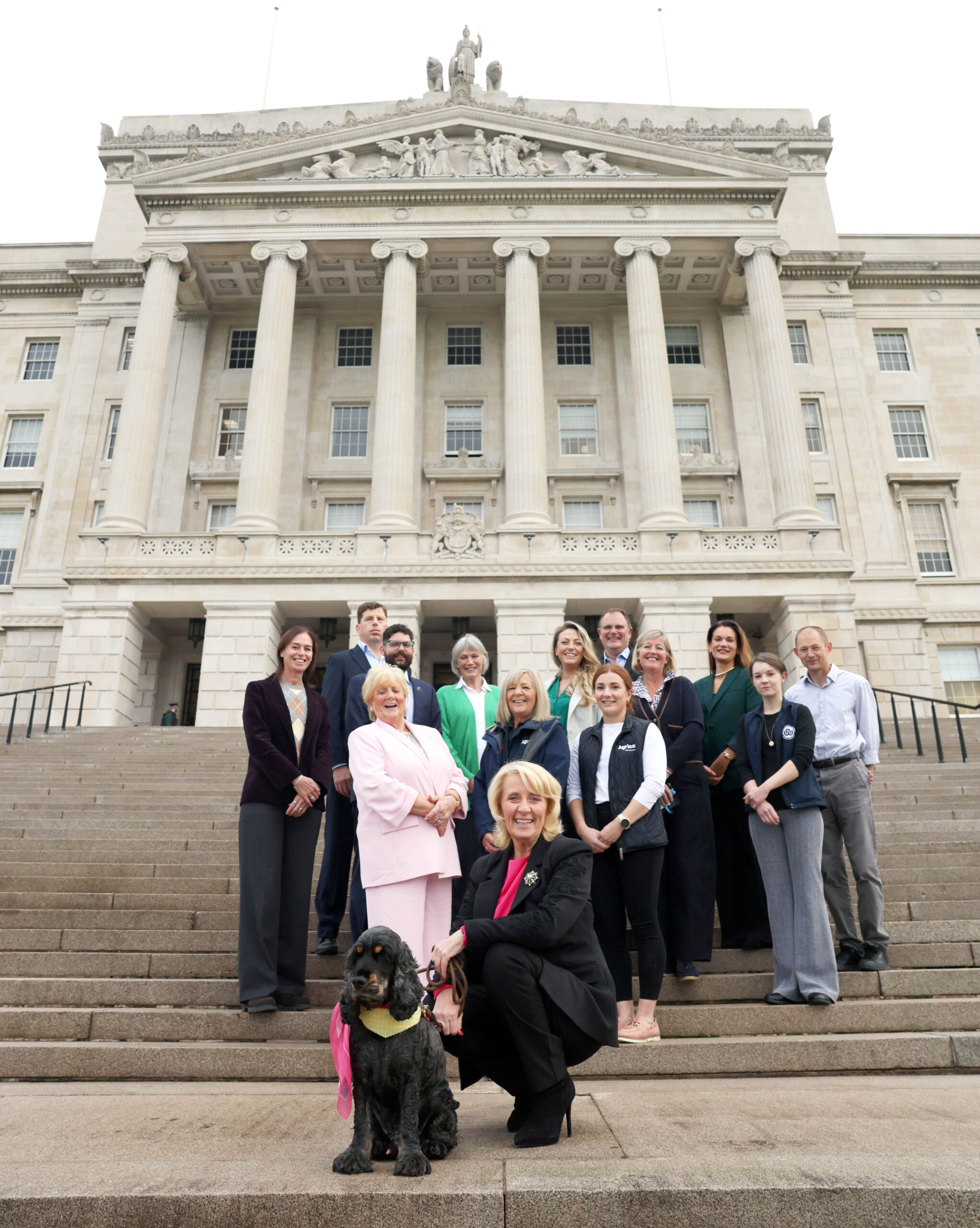
Stormont conference highlights urgent need for breeding regulation, microchip traceability, improved reporting of non-accidental injuries and implementation of independent expert recommendations.
Causeway Coast Dog Rescue (CCDR) is calling for greater involvement of the veterinary profession in shaping and implementing animal welfare reform in Northern Ireland, following its fourth annual Northern Ireland Animal Welfare Conference at Parliament Buildings, Stormont, on 6 October 2026.
Held under the theme “A Decade On – Legislation into Action: Celebrating Progress and Shaping the Future of Animal Welfare in Northern Ireland”, the conference brought together veterinary and academic experts, animal welfare organisations, legal professionals, policymakers and elected representatives to examine the progress of animal welfare legislation and the significant challenges that remain.
The conference addressed dog breeding regulation, canine fertility services, microchipping and traceability, enforcement, animal abuse and domestic abuse, greyhound welfare, canine behaviour and the importance of evidence-based policy.
Lucy’s Law: Welcome Progress, but Serious Concerns Remain
A significant announcement came from DAERA Minister Andrew Muir, who confirmed that Lucy’s Law would be progressed in Northern Ireland, introducing a prohibition on third-party commercial sales of puppies and kittens.
While CCDR welcomed the announcement, the charity expressed deep disappointment that the proposed breeder registration scheme, originally intended to accompany the legislation, would not be progressed during the current Assembly mandate.
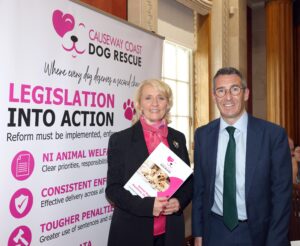
Tara Cunningham, Manager of Causeway Coast Dog Rescue, said:
“Lucy’s Law is an important step forward for animal welfare in Northern Ireland, and we welcome the Minister’s commitment to progressing this legislation.
“However, we are deeply disappointed that the breeder registration scheme, which we consider fundamental to effective enforcement and traceability, is not being introduced alongside it.
“I personally brought Vet, Dr Marc Abraham OBE, founder of Lucy’s Law, to Northern Ireland to help advance this campaign. Our objective has always been to ensure that Northern Ireland introduces meaningful reform capable of protecting animals and holding those responsible for poor breeding practices accountable.
“Without comprehensive breeder registration, effective identification and reliable traceability, enforcement authorities face significant difficulties establishing where animals originate and who is responsible for their welfare.
“We must ensure that Lucy’s Law delivers more than a prohibition on third-party sales. It must be supported by the regulatory framework necessary to make it effective.”
CCDR is calling for the breeder registration proposals to be progressed urgently, alongside the wider recommendations arising from independent expert reviews.

Independent Dog Breeding Review: Veterinary Expertise at the Centre of Reform
A key conference presentation was delivered by Professor Gareth Arnott of Queen’s University Belfast, veterinary surgeon Dr Susan Cunningham and Vanessa Barnes, members of the Independent Expert Advisory Group commissioned by DAERA to review Northern Ireland’s Dog Breeding Regulations.
Their independent review, published in May 2026, provides an evidence-based assessment of the current regulatory framework and identifies areas requiring reform to improve breeding standards and animal welfare.
The report makes 11 headline recommendations addressing issues including veterinary oversight, breeding practices, welfare standards, identification, record-keeping, inspection and enforcement.
The conference highlighted the importance of veterinary involvement in assessing breeding health and welfare, identifying inherited and acquired health concerns, supporting responsible breeding practices and informing regulatory standards.
A further independent expert report concerning canine fertility services, including artificial insemination and associated reproductive procedures, was published in September 2026 and makes 12 additional recommendations.

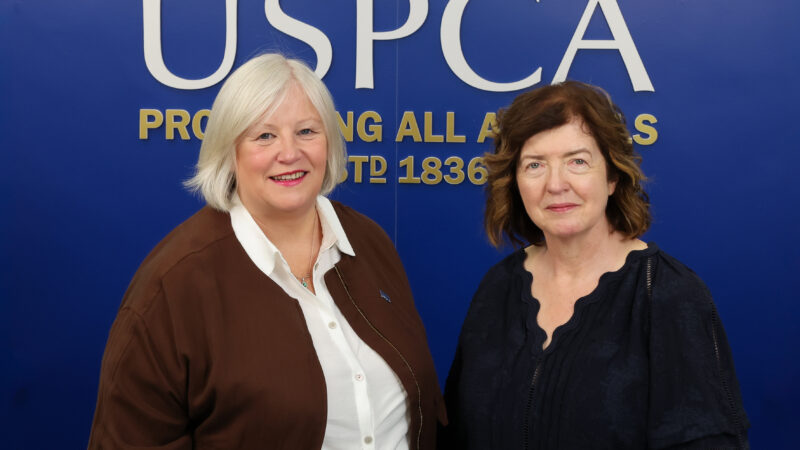
CCDR Animal Welfare Conf Dr Susan Cunningham
Together, these reports provide an important foundation for reform.
Cunningham said:
“The work undertaken by Professor Arnott, Dr Cunningham and Vanessa Barnes is extremely important because it brings together veterinary science, animal welfare research and practical regulatory expertise.
“These independent reviews provide government with evidence and recommendations to address longstanding concerns about breeding practices and the welfare of dogs used for breeding.
“We are particularly concerned about the growth of canine fertility services and the need for appropriate professional oversight, regulation and safeguards.
“These reports must not simply be published and left on a shelf. Their recommendations need to be progressed, properly resourced and implemented.”
CCDR is calling on DAERA to publish a clear timetable for responding to and implementing the recommendations, including engagement with the veterinary profession and enforcement authorities.
Microchipping, Registration and Traceability: Closing the Gaps
The conference also highlighted the importance of accurate animal identification and the need to strengthen Northern Ireland’s existing microchipping and dog licensing arrangements.
Although dogs are required to be microchipped in Northern Ireland, CCDR has raised concerns about weaknesses in registration verification, changes of keeper details and the ability of enforcement authorities to establish an animal’s origins.
The charity is advocating for:
- Mandatory microchipping and accurate registration of puppies by eight weeks of age.
- The breeder to be recorded as the first registered keeper, establishing a reliable record of origin.
- Mandatory microchipping and identification of the mother to be included on the chip
- Transfer of registered keeper details within 14 days of a change of ownership.
- Verification of microchip registration details before councils issue or renew dog licences.
- Stronger oversight and regulation of microchip databases, including reliable audit trails and appropriate information-sharing arrangements.
- Greater consistency in the recording and verification of identification details by relevant professionals and enforcement authorities.
CCDR believes veterinary professionals have an essential role in ensuring that microchip information is recorded accurately and in educating owners about their responsibility to maintain up-to-date registration details.
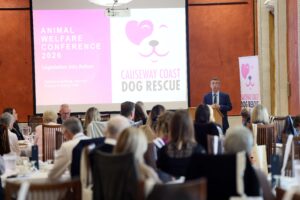
“Microchipping must be more than simply implanting a chip,” Cunningham said.
“It should provide a reliable and verifiable record of an animal’s identity and origin, supporting responsible ownership, safeguarding, recovery of lost or stolen animals and effective enforcement.
“Without accurate registration and verification, the purpose of compulsory microchipping is significantly undermined.”
Recognising and Reporting Suspected Animal Abuse and Non-Accidental Injuries
Another important theme emerging from the conference was the relationship between animal abuse, domestic abuse and wider safeguarding concerns.
CCDR is leading the campaign for Ruby’s Law in Northern Ireland, seeking stronger legal recognition of the harm and threats directed towards animals as part of domestic abuse and coercive control.
The charity believes veterinary professionals are uniquely placed to recognise possible indicators of deliberate injury, neglect and abuse, including circumstances where the clinical presentation may be inconsistent with the explanation provided.
CCDR is encouraging greater awareness of:
- Injuries that may be inconsistent with the reported history.
- Repeated injuries, delayed presentation for treatment or unexplained trauma.
- The importance of accurate clinical documentation and photographic evidence.
- Recognising patterns of neglect, deliberate harm and potential coercive control involving animals.
- Professional responsibilities relating to confidentiality, reporting and safeguarding.
- The potential links between animal abuse, domestic abuse and risks to children and vulnerable adults.
Cunningham said “Veterinary surgeons and veterinary nurses may be among the first professionals to encounter an animal suffering from deliberate harm.
“Their clinical expertise, accurate documentation and appropriate reporting can be critical in protecting animals and supporting investigations.
“We also need to recognise that animal abuse can form part of a much wider safeguarding picture, particularly where threats or harm to pets are used to control or intimidate victims of domestic abuse.”
Call for a Formal Veterinary Reporting Protocol for Suspected Non-Accidental Injuries
CCDR is calling for the development of a formal Northern Ireland-wide veterinary reporting and safeguarding protocol for suspected non-accidental injuries in companion animals, supported by the veterinary profession, the Police Service of Northern Ireland (PSNI), local councils and relevant animal welfare and safeguarding organisations.
The charity believes greater clarity and consistency are needed to support veterinary professionals when they encounter suspected deliberate harm, particularly where there may also be risks to children, vulnerable adults or victims of domestic abuse.
CCDR proposes that a formal protocol should include:
- Clear reporting and referral pathways identifying the respective responsibilities of veterinary professionals, councils, the PSNI and relevant safeguarding authorities.
- Standardised recording and documentation of suspected non-accidental injuries, including clinical findings, photographic evidence, relevant histories and preservation of evidence where appropriate.
- Professional guidance on confidentiality, consent and information sharing, consistent with RCVS guidance, data protection legislation and relevant safeguarding responsibilities.
- Training and continuing professional development to support veterinary surgeons, veterinary nurses and practice teams in identifying indicators of abuse.
- Improved interagency communication between veterinary practices, enforcement officers, police and safeguarding services, including appropriate feedback following referrals.
- Consistent collection of anonymised data on suspected non-accidental injuries and reported animal abuse to identify patterns, inform prevention strategies and support future policy development.
Cunningham said “We should not expect individual veterinary practices to navigate complex reporting and safeguarding arrangements without clear, consistent guidance and the support of statutory authorities.
“A formal Northern Ireland-wide protocol would help provide that clarity, improve confidence in reporting and strengthen the evidence available to those responsible for investigating animal welfare offences.
“This is particularly relevant to our work progressing Ruby’s Law in Northern Ireland, where we are seeking greater recognition of the links between animal abuse, coercive control and domestic abuse.
“Animal welfare is not simply about protecting animals in isolation. It is also an important part of wider community safety and safeguarding. We need systems that recognise those connections and enable professionals to act effectively.”
CCDR is encouraging veterinary representative bodies, including the British Veterinary Association’s Northern Ireland Branch, veterinary practices, the PSNI and local government enforcement services to work collaboratively towards an agreed reporting framework.
The charity believes this should form part of a wider review of companion animal welfare enforcement arrangements and be supported by professional training, improved data collection and appropriate interagency cooperation.
Conference Highlights Need for Better Enforcement and Collaboration
The conference also heard contributions from Naturewatch Foundation, GREY2K USA Worldwide, animal welfare and legal specialists, and experts in canine behaviour and welfare.
Speakers highlighted the importance of evidence-led policymaking, effective enforcement, responsible breeding, animal identification, public education and greater collaboration between organisations responsible for protecting animal welfare.
A recurring concern was the need for consistent enforcement across Northern Ireland’s 11 councils, alongside improved collection and publication of information on welfare complaints, investigations, breeding licences, dog licences, prosecutions and enforcement outcomes.
CCDR believes that better data is essential to understanding the scale of animal welfare problems, identifying gaps in enforcement and evaluating whether legislation is delivering meaningful improvements.
CCDR Animal Welfare Manifesto 2026–2030: A Framework for Reform
The conference also provided an opportunity to promote CCDR’s Animal Welfare Manifesto 2026–2030, which sets out a comprehensive programme of proposed reforms for the next Northern Ireland Assembly mandate and beyond. Which can be sourced www.causewaycoastdogrescue.org
The manifesto calls for:
- Full implementation of Lucy’s Law, supported by a comprehensive breeder registration and traceability framework.
- Implementation of the Independent Dog Breeding Review and Canine Fertility Services recommendations.
- Stronger microchipping, registration and dog licensing requirements.
- Progression of Ruby’s Law and improved recognition of animals within domestic abuse and safeguarding legislation.
- Development of a formal Northern Ireland-wide veterinary reporting protocol for suspected non-accidental injuries, including consistent recording, safeguarding referrals and information sharing between veterinary professionals, the PSNI and councils.
- Stronger investigation and enforcement of animal welfare offences, including more effective use of disqualification orders.
- Regulation of rescue and rehoming organisations.
- Restrictions on aversive training devices.
- Improved dog bite prevention, public education and evidence-based interventions.
- An independent review of companion animal welfare and dog control services across Northern Ireland’s 11 councils.
- A centralised animal welfare data framework to support consistent reporting, transparency and accountability.
- Development of a dedicated Animal Welfare Strategy for Northern Ireland, supported by consideration of independent oversight arrangements.
The manifesto seeks to move Northern Ireland towards a more coordinated, preventative and accountable system of animal welfare protection.
Veterinary Professionals Must Be Partners in Reform
CCDR believes the veterinary profession must have a central role in developing, implementing and evaluating future animal welfare legislation.
The charity is calling for closer collaboration between government departments, veterinary bodies, academic institutions, enforcement authorities and animal welfare organisations to ensure that reforms are informed by scientific evidence and practical professional experience.
Cunningham concluded “The veterinary profession has an essential role in shaping the future of animal welfare in Northern Ireland.
“Whether through improving breeding standards, ensuring accurate microchip registration, recognising non-accidental injuries, supporting safeguarding or providing evidence to inform legislation, veterinary professionals are central to protecting animals.
“We are grateful to the experts who contributed to our conference, particularly those involved in the independent breeding and fertility reviews, whose work provides such a valuable foundation for change.
“Our challenge now is to ensure that this evidence is translated into legislation, regulation and meaningful improvements in practice.
“We have the evidence, we have the recommendations, and we have growing public and professional support. What we need now is implementation.”
________________________________________
CCDR Animal Welfare Manifesto 2026 to 2030 and conference information: https://causewaycoastdogrescue.org/