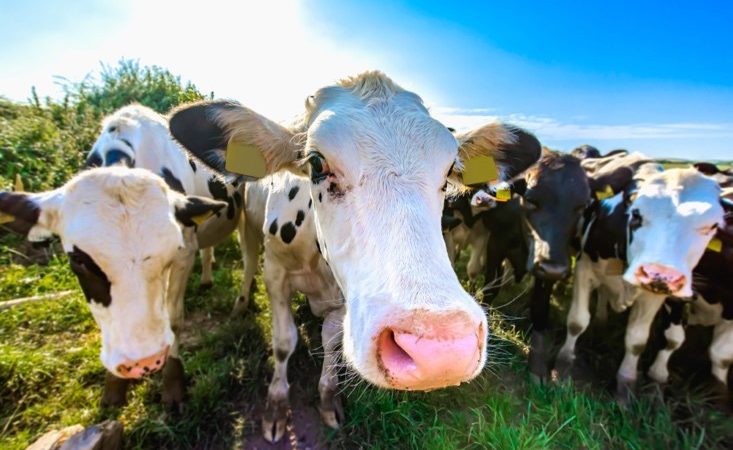
DAERA and UFU issue reminder to prevent livestock worrying during lambing season
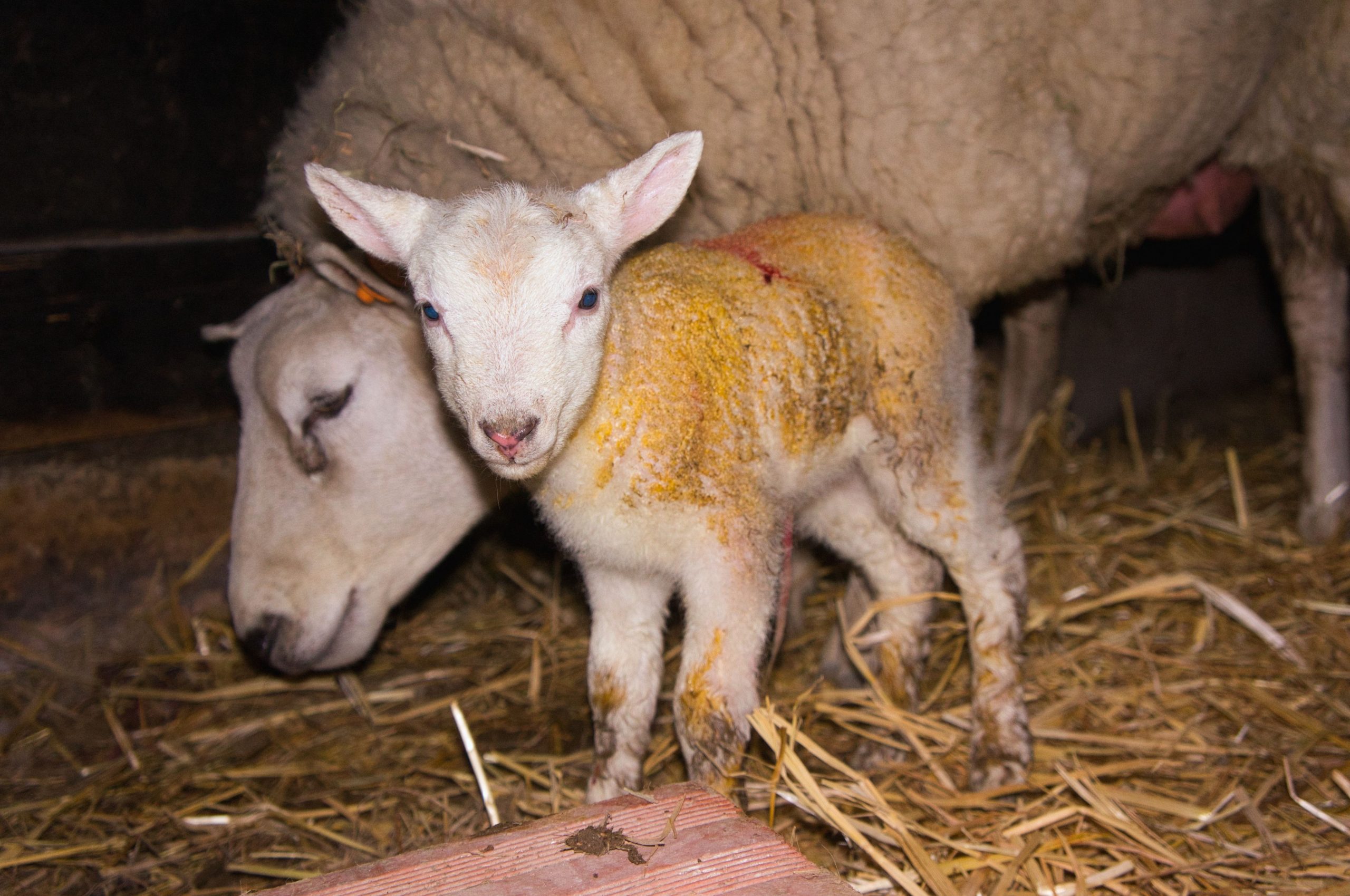
The Department of Agriculture, Environment and Rural Affairs (DAERA) and the Ulster Farmers’ Union (UFU) are reminding dog owners to take precautions to prevent livestock worrying and protect animal welfare during lambing season.
Livestock worrying remains a serious issue for farmers, causing harm to animals and creating disruption on farms. Dogs attacking, chasing or even just being at large in fields holding livestock, can lead to injury, miscarriage or death.
These incidents also often result in significant financial loss for farmers, including veterinary costs, lost income from injured or dead animals, and damage to farm infrastructure like fences, hedges, and gates caused during the event. The aftermath can also create emotional distress for farmers, who must manage the consequences and ensure the welfare of their remaining animals. Livestock worrying is not limited to physical attacks; dogs running at large can frighten animals into escaping, causing further risks on roads or neighbouring properties.
DAERA Minister Andrew Muir said: “Livestock worrying can have devastating consequences for animals and causes significant distress to farmer families. Even a short chase can have devastating consequences for livestock, and in most cases these incidents are entirely preventable.
“The law is clear. It is a criminal offence to allow a dog onto land containing livestock unless that dog is under control. Where a dog worries livestock by attacking, killing or chasing animals in a way that causes injury, suffering or financial loss to their owner, the person in charge of that dog may face prosecution.
“Simple actions make a real difference. Keeping dogs on a lead, ensuring they cannot stray from homes or gardens, and taking steps to manage their behaviour around livestock are all essential. My Department will continue to raise awareness of livestock worrying, but the responsibility lies with dog owners to act responsibly and protect animal welfare.”
UFU Deputy President, John McLenaghan, said: “Behind every livestock worrying incident is a farming family left to deal with the devastating aftermath of a dog attack. For many sheep farmers across Northern Ireland, lambing season is already one of the most demanding times of the year. To then discover dead or severely injured animals because a dog has been allowed to roam is both heartbreaking and unacceptable.
“The financial impact is significant. A recent NFU Mutual report highlights a £152,000 cost to farmers in 2025 due to livestock losses in these cases. However, the true cost goes far beyond the financial figure. There is the emotional toll on farm families, the trauma inflicted on livestock, and the lasting impact on flock performance to factor in.
“There can be no ambiguity about where responsibility lies. Livestock worrying is a criminal offence, and dog owners have a legal duty to ensure their pets are controlled at all times. Too many people still believe their dog would never chase or harm livestock. The reality is that any dog, regardless of breed, size or temperament, can cause serious damage. Even without physical contact, the stress of being chased can result in pregnant ewes aborting lambs or young lambs becoming separated and dying.
“The message is simple and unequivocal: if you are walking anywhere near livestock, your dog must be on a lead and under control. Not just when you think there is a risk. At all times. Preventing livestock worrying is entirely within the control of dog owners, and there is no excuse for failing to act responsibly.”
The Department and UFU are highlighting that owners must keep their dogs under control, especially near farmland, by using leads and ensuring pets cannot stray from homes or gardens. Farmers are also encouraged to regularly check their stock, maintain secure boundaries to deter access by dogs, and communicate with neighbouring farms if loose dogs are sighted. When incidents occur, it should be reported promptly to the council dog warden for investigation.