Significant welfare impacts of feline dystocia in emergency practice highlighted in new study
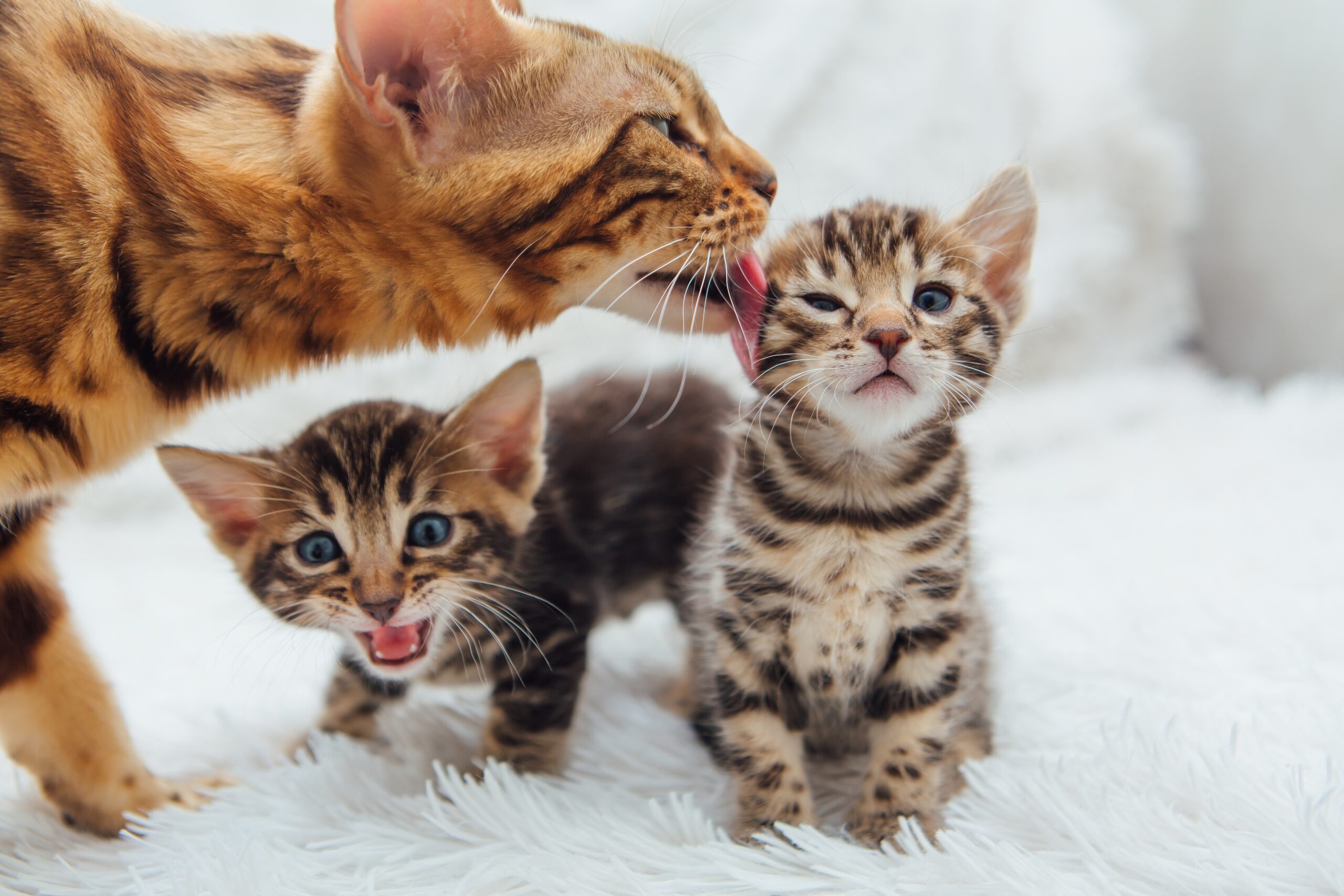
Dystocia remains a substantial risk to feline maternal and neonatal welfare and survival, with a higher risk in purebred, brachycephalic and younger aged cats
- a new study in the Journal of Small Animal Practice has confirmed.
The study, by researchers at Vets Now and the Royal Veterinary College, conducted as part of a BSAVA Master’s degree by Research, analysed electronic health records from over 118,000 queens attending UK primary emergency veterinary care.
The research identified 1,102 dystocia cases, affecting 0.93% of all queens presented for emergency care.
Purebred queens had 2.5 times higher odds of dystocia than crossbred queens, and brachycephalic queens had more than 3 times the odds of dystocia compared with non-brachycephalic queens. Breeds with the highest odds of dystocia compared with crossbred queens were Devon Rex, Tonkinese, Birman, Exotic and British Short Hair. Queens under 3 years old were significantly more likely to present with dystocia than those aged 3 – 5.9 years. The association between brachycephaly and dystocia adds to the growing evidence on links between breeding for extreme conformation in cats and adverse health outcomes.
Clinical management included oxytocin in 35% of cases. Caesarean section was performed in 35.8% of dystocic queens. Large litter size was a risk factor for caesarean section, with litters of 5 to 6 kittens having over 6 times the odds of caesarean section compared with litters or 1 or 2.
During emergency care, 3.5% of dystocic queens died and 38.5% of kittens died before discharge, highlighting the importance of prompt intervention.
Awareness of these high-risk groups, particularly young, purebred and brachycephalic queens, can help clinicians and owners anticipate which cats are more likely to develop dystocia and improve the timeliness of veterinary care.
Dr Lucy Leicester, Internal Auditor at Vets Now and first author of the study said: “Dystocia affected almost 1% of all female cats (both entire and neutered) attending Vets Now emergency clinics during the study period. However, after adjusting for likely neuter status, the true incidence among entire queens could be as high as 6.2%. Combined with the high levels of maternal and neonatal mortality identified in this study, these findings highlight dystocia as a substantial welfare concern in breeding cats.”
Prof Dan O’Neill, Professor of Companion Animal Epidemiology at the RVC and co-author of the study, said: “A century after the breed-revolution in dogs, humanity now appears to be entering the era of breed-revolution in cats with hugely increasing public demand to own cats of a named breed. As with dogs, deviation from the innate conformation of the species appears to herald many new health issues for cats including higher levels of dystocia. Veterinary professionals now have the clinical evidence to explain these risks to clients intending to breed from their cats so that appropriate mitigation plans can be put in place.”