BVD Programme Priorities for 2026 – AHWNI
The herd incidence of BVD in NI has reduced by three quarters since the compulsory programme began, but increased slightly during the last few months of 2025.
However the ambition of Animal Health and Welfare NI (AHWNI) is to see BVD eradicated, so during 2026 several new approaches will start, complementing existing veterinary advice. These approaches aim to encourage farmers to protect herds that are clear and to stamp out any circulating virus in infected herds.
Key priorities
CLEAR HERDS
Keep it out!
Check BVD vaccination plans
Consider vaccinating your herd for BVD if you purchase cattle, graze cattle where neighbouring cattle in adjacent fields, or have people coming on to your farm who could potentially have contaminated clothing or equipment. Check that your vaccination protocol is correct, and don’t stop vaccinating unless you’ve had a discussion with your private vet about ongoing risks.
Review biosecurity
Aim to purchase cattle from herds that have not had BVD infection in the last year. Ask the seller about their herd’s BVD history.
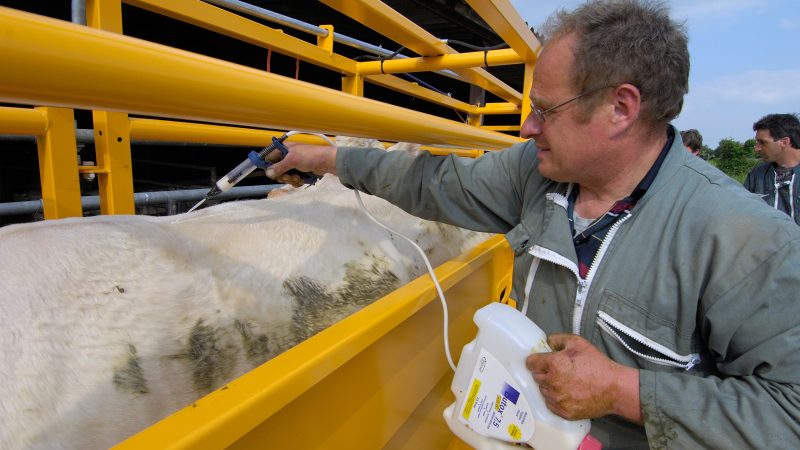
Sample and test cattle that do not have a BVD status
Sample and test cattle of any age that have not been tested, have not had a Negative status calf registered against them, or have been imported without a valid BVD test. Cattle movements out of or into herds with 10 or more BVD Untested (BVDU) animals over 30 days of age are restricted (since 1 Dec 2025). Restrictions on herds with BVDUs will be lifted immediately on confirmation of a negative BVD result for all cattle over 30 days old.
Fence it out!
Keep cattle away from other herds
Avoid grazing cattle or youngstock on land where cattle from other herds are in adjacent fields unless there is double fencing (with a gap of at least 3 metres) or stock-proof hedging.
INFECTED HERDS
Stamp it out!
Deal with BVD Positive and Inconclusive cattle promptly.
Isolate BVD Positive (BVDP) and Inconclusive (BVDI) animals as quickly as possible. Consider immediate culling of BVDP cattle. If retesting, arrange for your vet to take blood samples three weeks after the initial sample was taken.
Be aware of herd restrictions
From 1 February 2026, DAERA will restrict any herd and associated herds when a BVDP or BVDI test result is disclosed. Herd restrictions will be lifted when (i) 21 days have passed since the last BVDP or BVDI animal has been removed from the herd and associated herds (that is, the BVDP or BVDI animal has either been culled or re-tested with a BVD Negative result) and (ii) all animals in the herd and associated herds, except untested animals less than 31 days old, have a negative BVD status (BVDN or INDINEG status), although restrictions will remain individually on breeding females until it is established that they are not carrying a persistently infected calf.