DAERA to permit some animal movements under licence following Bluetongue outbreak
Two 20km Temporary Control Zones (TCZs) have been introduced in Co Down around the sites of a confirmed BTV3 outbreak in a herd near Bangor and a suspected case in Greyabbey.
DAERA has announced plans to allow some animal movements in the wake of the recent incursion of Bluetongue virus (BTV), in the context of scientific advice, ongoing surveillance data and consultation in recent days with GB authorities and stakeholders.
Two 20km Temporary Control Zones (TCZs) have been introduced in Co Down around the sites of a confirmed BTV3 outbreak in a herd near Bangor and a suspected case in Greyabbey.
Moves of susceptible livestock off farms in the two TCZs are still prohibited. Moves direct to slaughter remain permitted under a general licence available on DAERA’s website.
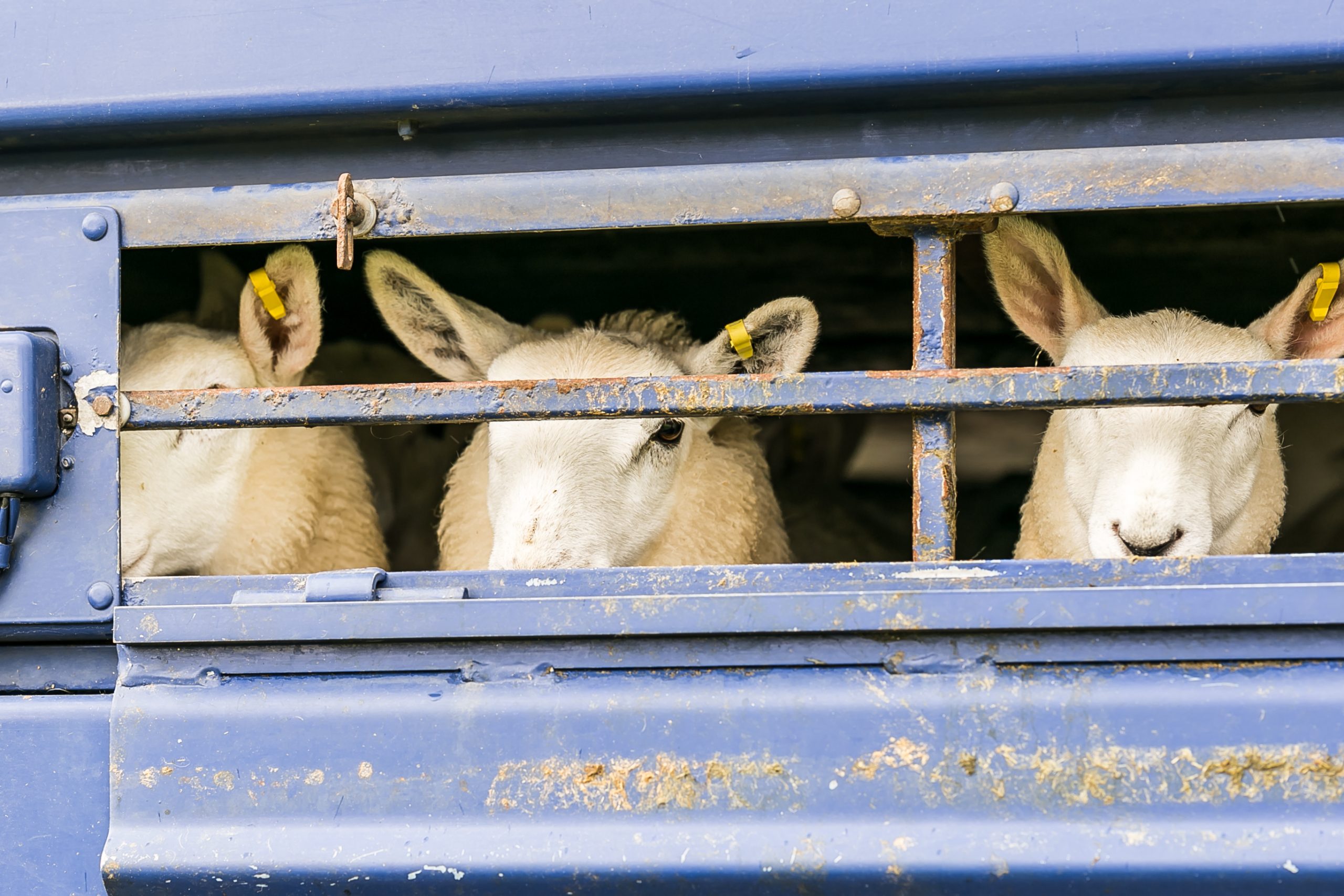
With immediate effect, farmers outside the TCZs will be able to move livestock to Great Britain (GB) with no requirements beyond those normally in place. All types of these movements can now take place to GB including moves to slaughter, markets and for breeding and production. Those who wish to export livestock to GB should contact their private veterinary practitioner in the normal manner.
Movements of animals into the two 20km TCZs in County Down will also be permitted with immediate effect, using a general licence that can be downloaded from the DAERA website here: https://www.daera-ni.gov.uk/publications/bluetongue-general-licences.
These moves have been agreed by Chief Veterinary Officer, Brian Dooher who explained: “The recent bluetongue incursion has had a significant impact on the agri-food sector arising from the necessary movement restrictions and resultant trade barriers.”
“Midges spread BTV but AFBI has now confirmed we are in the vector low period and this, coupled with ongoing results from our surveillance activities and colder weather, mean that from today, livestock outside of the TCZs can trade with Great Britain. Livestock will also be permitted to move into the current TCZs. Licences are available on the DAERA website.
“Officials remain in close contact with key stakeholders regarding next steps including the potential for animal movements within, and moves out of, the current TCZs. Currently movements within and out of the TCZ are prohibited, with the exception of direct movements to slaughter only permitted. Ongoing surveillance in the zones, in addition to further stakeholder engagement, will support decisions on the way ahead and this will be communicated with industry in the immediate days ahead.”
Bluetongue is primarily transmitted through biting midges and affects cattle, sheep, goats, deer, llamas and alpacas.
Biting midges are most active from April to November and the potential for spread depends on climatic conditions and wind patterns.
It poses no public health risk, nor does it pose any threat to food safety. However its symptoms can be particularly severe in sheep.