New suspected case of Bluetongue virus under investigation
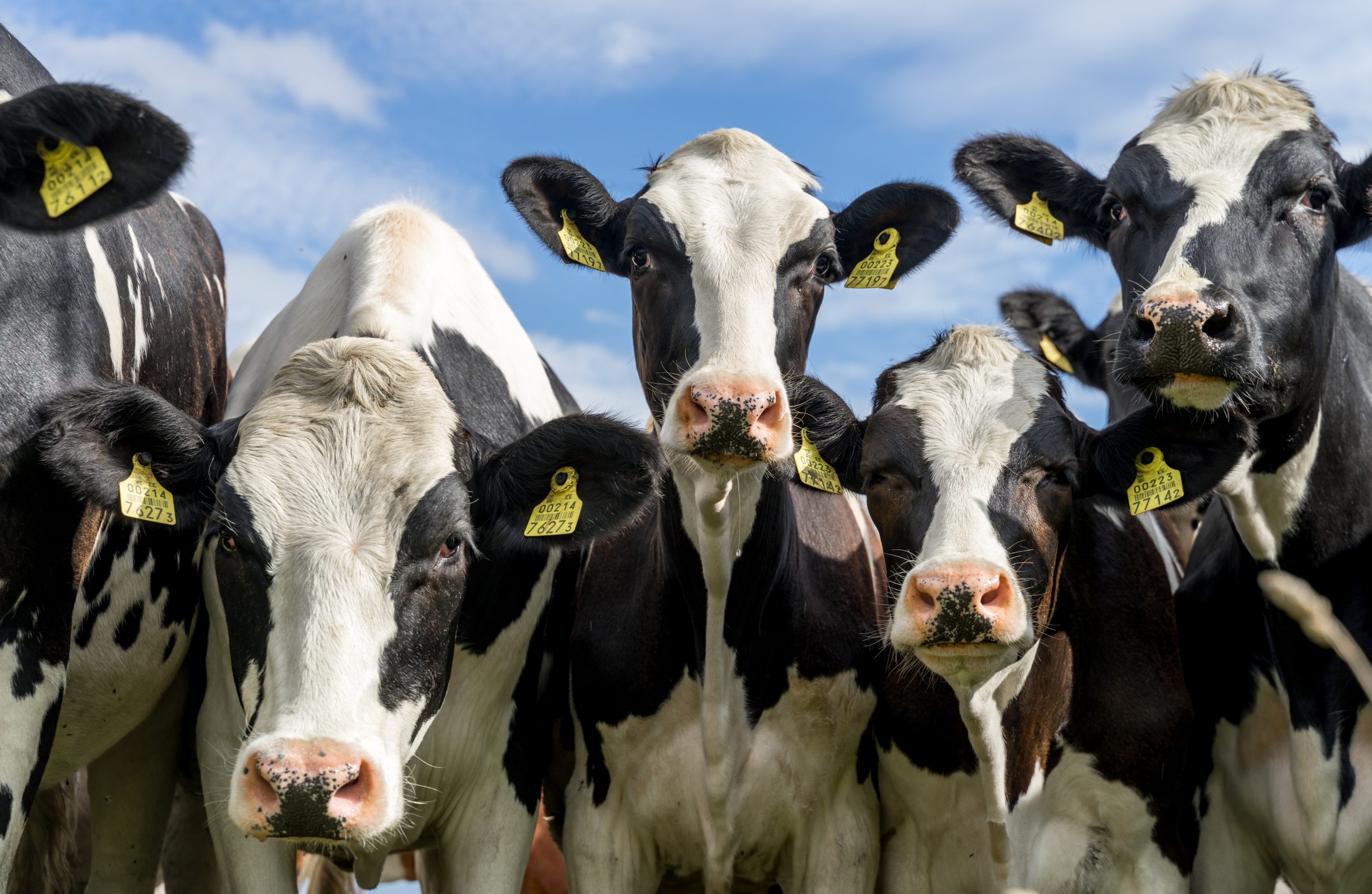
DAERA has announced the emergence of a new suspected Bluetongue case on a farm near Greyabbey in Co Down.
Vets are investigating a suspect case of the virus in a cow near Greyabbey, which sits in the existing 20km Temporary Control Zone (TCZ) announced on 29 November 2025 around a holding near Bangor where the Bluetongue BTV-3 virus was initially discovered.
The latest discovery was made during the surveillance testing of herds in the TCZ previously established on Saturday 29 November.
As a result, a second 20km TCZ is being introduced around the Greyabbey farm and is effective from 18.00 hours on 6 December 2025.
DAERA Minister Andrew Muir said: “The emergence of this suspect case in the existing Temporary Control Zone is very disappointing – especially for the farmer concerned.
“The decision to now introduce a second TCZ is an essential measure. This suspect case serves as another reminder of why farmers need to be extra vigilant for clinical signs of Bluetongue in their flocks or herds – details of which are on the DAERA website and the Department’s social media accounts.
“Once again, I would remind members of the public that Bluetongue does not have any impact on human health or food safety. It does however pose risks to cloven hoofed animals – particularly sheep which can show the most severe symptoms.
“I urge farmers in the second TCZ to familiarise themselves with the animal movement restrictions that will operate in their area and to follow them closely.
“As vets continue their investigations, I and my officials will continue to work closely with stakeholders in the agri-food industry, as well as our counterparts in the Irish, UK Scottish and Welsh Governments as we respond to a rapidly evolving situation.”
Bluetongue is primarily transmitted through biting midges and affects cattle, sheep, goats, deer, llamas and alpacas.
Biting midges are most active from April to November and the potential for spread depends on climatic conditions and wind patterns.
Moves of susceptible species (cattle, sheep, goats, deer and llamas/apalcas) on or off farms in the two TCZs are prohibited.
Moves direct to slaughter, however, are permitted under a general licence available on DAERA’s website.
Chief Veterinary Officer Brian Dooher added: “Bluetongue is an unpredictable virus that is spread by midges through and between flocks and herds.
“The spread of Bluetongue has a significant impact on livestock, the agri-food sector and the rural economy.
“That is why, as a result of the Disease Control Framework we launched in June, DAERA continues to move rapidly to put in place control measures. I would urge everyone in the farming industry to continue to play their part in protecting our farms by remaining vigilant and would especially urge those in the TCZs to follow the restrictions.
“It is also imperative that keepers who suspect an outbreak report any symptoms immediately to their vet, local Divisional Veterinary Office or to the DAERA helpline on 0300 200 7840.”