Stricter BVD measures applied from 1 February
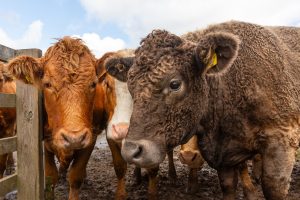
DAERA reminded herd keepers that the next phase of Bovine Viral Diarrhoea (BVD) controls came into effect from 1 February 2026.
From this date, herd restrictions were applied immediately once any animal in a herd records a positive or inconclusive BVD virus test result. This means there will no longer be a grace period prior to restrictions being applied.
These measures form part of the phased programme of BVD measures introduced under the BVD Control Order (NI) 2024, which came into force on 1 February 2025 and which aim to contribute to the eradication of this disease in Northern Ireland.
DAERA Minister Andrew Muir said: “BVD is a serious and highly contagious disease of cattle which affects their productivity and compromises their welfare. Over recent years, herd keepers across Northern Ireland have worked hard to reduce the impact of this disease, but we now need to take the further steps to secure eradication.
“The stricter measures in effect from 1 February 2026 are designed to quickly address infection risks by preventing the movement of potentially BVD infected animals, and protect the progress we have made so far. In doing so we will help to stop new persistently infected calves being born and protect neighbouring farms.”
Minister Muir concluded: “My message to herd keepers is clear – take prompt action, isolate and remove infection sources, and ensure all animals are tested on time. By acting decisively and working together, we can safeguard animal welfare, reduce financial losses to farms, and complete the job of eliminating BVD from Northern Ireland once and for all.”
Implementation of additional planned movement restrictions on breeding age females (at least 12-months old) in herds where a BVD-positive animal has been detected, was postponed for a few weeks. This was due to a slight delay in changes being made to the Department’s database, which are required to manage the application and removal of these restrictions.