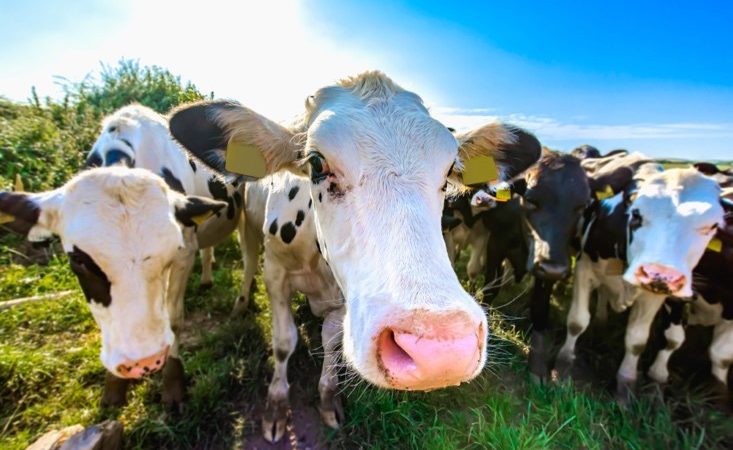
AHWNI Advises: Correct Timing of Bluetongue Vaccination is Essential
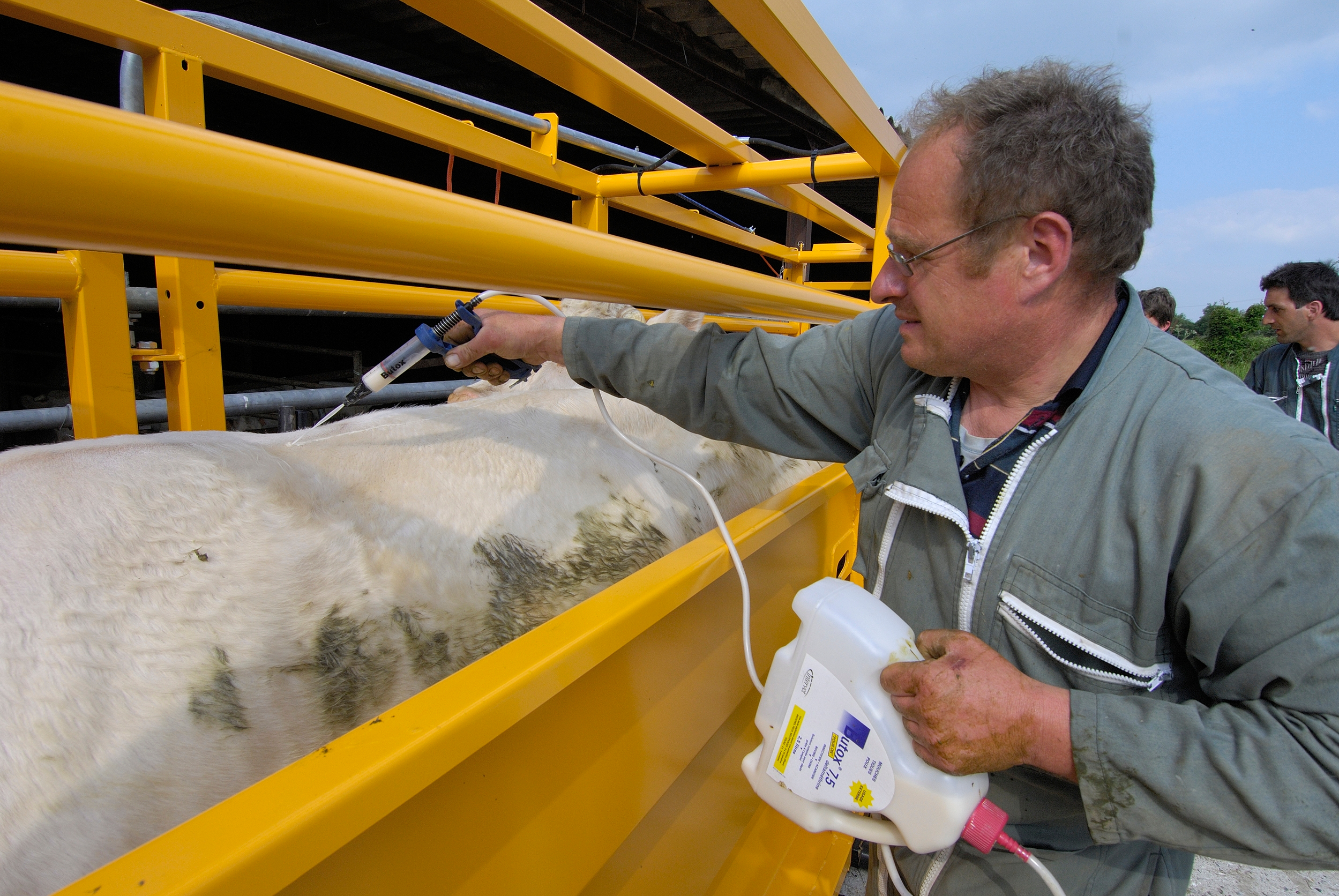
Now May Be the Time to Vaccinate
As temperatures begin to rise, we are now entering the active vector season for midges that can
transmit bluetongue virus (BTV). With many cattle still housed across the country, and ewes and
lambs being turned out, now may be the ideal time for many farmers to consider whether they need to vaccinate or not. As cases were identified last year in Northern Ireland and the Republic of Ireland, it is highly likely that the disease will spread further this year.
Vaccinating cattle before turnout should make handling easier in most cases. While infection is still possible in housed cattle, the risk is slightly reduced, especially if there is good ventilation, as midges cannot fly very well in wind. If cattle receive their second dose of the vaccine a few weeks prior to turnout, then at this stage they will be well protected. Sheep flocks could consider vaccinating when a management procedure is being carried out.
For best protection, vaccination should be completed at least two weeks before bluetongue infected midges arrive or are active on farm. Once temperatures are consecutively over 12 degrees Celsius, midges will become active. If average daily temperatures are above 15 degrees Celsius, then BTV, if present, will begin to replicate within midges and the virus will begin circulating. It is recommended that animals should be fully vaccinated by early May. There is no longer a requirement to receive a license from DAERA to purchase the vaccine, simply speak to your private vet practice.
Severe Effects of Bluetongue Virus
The most severe cases of BTV reported in Europe were in sheep, with many fatalities in sheep as a
result of the disease. While this disease is still a high risk to sheep in the UK and Ireland, so far in
England the most severe cases have been reported in cattle. Specifically, there have been a number of ‘dummy’ calves identified. These are calves that have been born with brain malformations, leaving them with neurological problems, blindness and no suckling instinct. In most cases these need to be euthanised as they are unviable. Furthermore, there have been reported cases of increased barren rates in cattle in herds infected with BTV.
Vaccination: How, What and When
Cattle that have not received a vaccination yet require two doses, while sheep may require one or
two depending on the vaccine used. There are three vaccines licensed for use in the UK: Bultavo 3,
Bluevac-3 and Syvazul BTV3. The same vaccine can be used for sheep and cattle and can be used
on all animals over a month old. Where possible, vaccinating every animal on farm, including young stock and breeding males, will reduce any possibility of unvaccinated animals acting as a reservoir on farm. It is important to read the data sheet for the vaccine that you are using, to ensure that doses are given at the correct time.
The vaccines currently licensed for use provide protection against BTV3 which is the only serotype of BTV which has been identified in Northern Ireland and the Republic of Ireland so far. There are
different strains of the Bluetongue virus, for example BTV8 has been found in a few herds in England, a vaccine targeting BTV8 would be required for this.
Vaccinating prior to breeding (if spring calving) can give ultimate protection, hence the coming
weeks may be the best time to vaccinate. For autumn calvers, vaccinating in mid-pregnancy should still be effective in that there is little chance that the cattle could have already contracted the virus during the winter. Try to avoid vaccinating at very early-stage pregnancy, as stress can have a negative impact on foetus implantation.
When deciding to vaccinate, a few factors to consider that could make your herd higher risk to BTV are:
Is your farm close to any other farms where outbreaks have occurred?
Is there a high density of ruminants in your location?
Has there been a low vaccination uptake locally?
Do you plan to move animals from other parts of the country into your flock/herd?
Do you have a lack of areas on the farm where there could be lower midge activity? (e.g. windy,
exposed areas may have reduced numbers of midges)
Do you have breeding stock?
If the answer is yes to several of these questions, your herd/flock could be at risk of BTV infection.
There have been some concerns from farmers around BTV vaccination and its effect on fertility,
however this has not been substantiated. On the other hand, if animals are infected with the disease then this most certainly will have an impact on fertility as the virus can cause abortions, stillbirths, foetal abnormalities and impaired semen quality. In considering when to vaccinate, farmers should always consult their vet in order to get advice that is tailored to their farm circumstance.
For more information, visit the Ruminant Health and Welfare website, www.ruminanthw.org.uk, which has provided an excellent risk assessment for vaccinating, as well as lots of other helpful information and guidance on BTV.
Now is the time to consider the possible risk of BTV to your herd, the damage it could do to the
health of your flock or herd, and the costs of having unviable calves needing euthanised, or having
a high infertility rate at scanning. Vaccination is a small price to pay compared with the
potentially severe effects of BTV.